 ReefDeck
Open the free logbook
ReefDeck
Open the free logbook
Alkalinity, Calcium & Magnesium: The Balance Explained
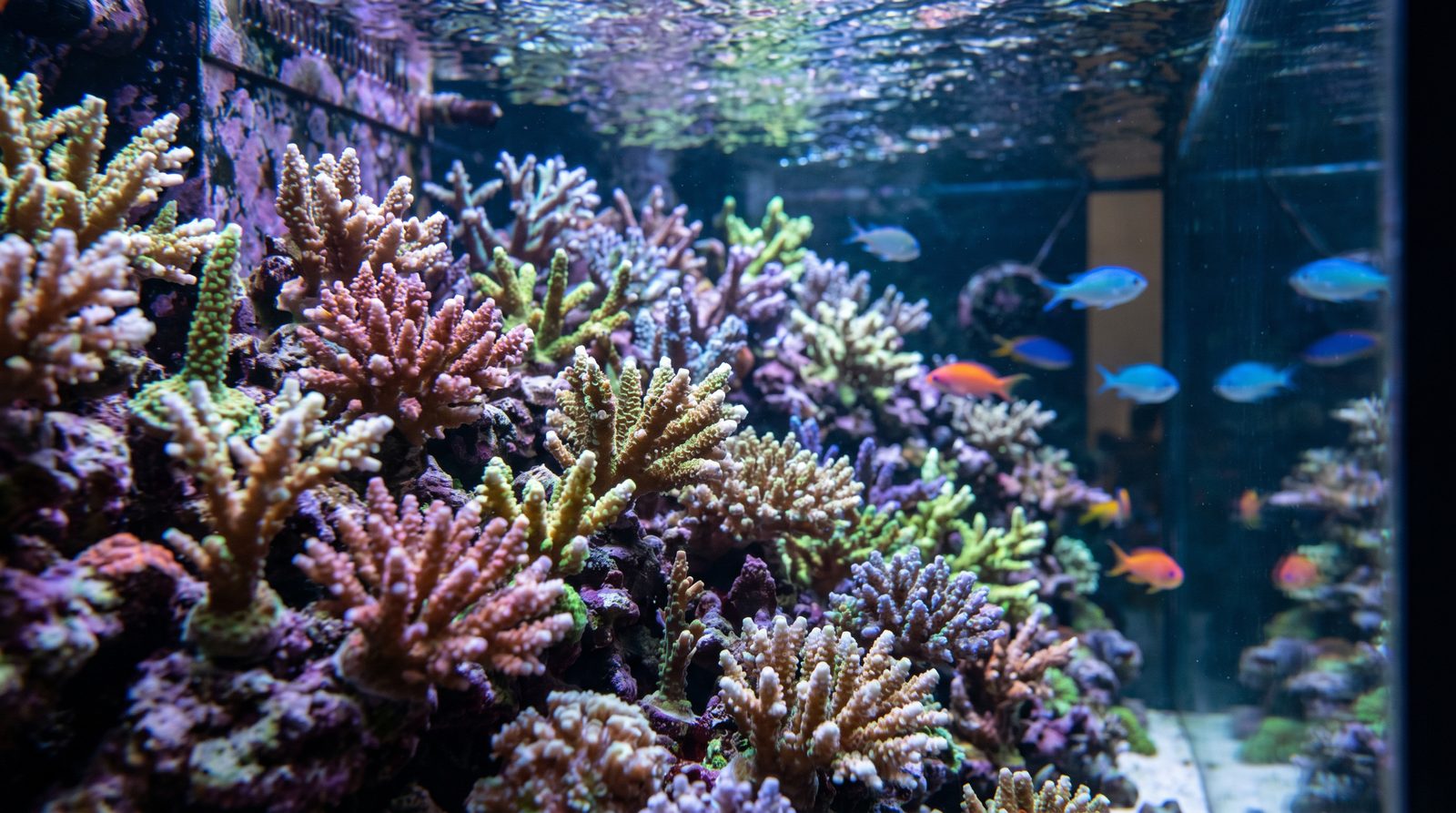
Alkalinity, calcium and magnesium are the three parameters that coral skeletons are built from, and they are chemically linked. Alkalinity (7–11 dKH) and calcium (380–450 ppm) are consumed together as corals grow, while magnesium (1250–1350 ppm) acts as the anchor that keeps both dissolved and prevents them from precipitating. If any one of the three drifts significantly out of range it affects how well you can hold the other two.
Ask an experienced reef keeper which parameter is most important and they will almost certainly say alkalinity. Ask them which three parameters matter most together and the answer is always the same: alkalinity, calcium and magnesium — the "big three." These three are not independent variables you can tune separately. They are part of the same chemical system, and understanding how they interact is the foundation of reef chemistry.
The big three at a glance
| Parameter | Target range | Role in the reef | Speed of consumption |
|---|---|---|---|
| Alkalinity (KH) | 7–11 dKH (target 8–9) | Provides carbonate and bicarbonate for skeleton building; buffers pH | Fast — can fall 0.5–1.5+ dKH per day on active SPS tanks |
| Calcium (Ca) | 380–450 ppm | Core mineral in calcium carbonate skeletons and coralline algae | Moderate — typically tracks alkalinity consumption but moves more slowly |
| Magnesium (Mg) | 1250–1350 ppm | Keeps calcium and alkalinity dissolved; prevents precipitation; structural role in chlorophyll | Slow — weeks to drift noticeably on most tanks |
How the three are chemically linked
Coral skeletons are made of calcium carbonate (CaCO₃). When a coral adds to its skeleton it draws calcium ions (Ca²⁺) from the water and combines them with carbonate ions derived from the bicarbonate pool — which is what alkalinity measures. So every unit of skeleton added consumes both calcium and alkalinity, roughly in a fixed molar ratio. On a busy SPS tank with lots of fast-growing Acropora, this consumption is substantial and continuous.
Magnesium's role is less obvious but equally critical. Seawater naturally contains high concentrations of magnesium, and this has a direct chemical effect: magnesium ions compete with calcium ions for binding sites and physically prevent calcium carbonate from precipitating out of the water column prematurely. In plain terms, without adequate magnesium, calcium and alkalinity spontaneously crash together — the water becomes milky white and both values plummet simultaneously. This is why magnesium is described as the "anchor" for the other two.
What happens when one drifts out of range
Each of the big three has a characteristic failure pattern when it falls out of balance:
- Low alkalinity (below 7 dKH): Corals slow or stall skeleton growth, polyps may retract, and tissue can recede from skeleton tips. pH buffering is reduced, making the tank vulnerable to pH swings. This is the most common and most urgent of the three deficiencies.
- High alkalinity (above 11–12 dKH): Elevated dKH combined with normal calcium levels increases the risk of spontaneous calcium carbonate precipitation, especially if temperature rises. Can also stress sensitive SPS corals directly.
- Low calcium (below 380 ppm): Skeleton growth slows, coralline algae growth diminishes. In mild deficiency many corals appear healthy but are growing at a fraction of their potential rate.
- Low magnesium (below 1200 ppm): You will find it increasingly difficult to hold both alkalinity and calcium in range — they will tend to drift down even with correct dosing, because the precipitation inhibition is weakened. Raising magnesium is the fix; dosing more alk and calcium without addressing magnesium is chasing a moving target.
- Elevated magnesium (above 1400 ppm): Rarely a problem at levels achievable through normal dosing, but very high magnesium can begin to compete with calcium at binding sites and may affect some invertebrates.
Why you cannot fix alkalinity without checking calcium and magnesium
This is the most practical point in the guide. If your alkalinity is persistently low despite dosing, and your calcium and magnesium are also low, you cannot simply dose more alkalinity — you need to bring all three up in proportion. A common mistake is to dose alkalinity aggressively while ignoring a depleted magnesium level; the result is that the newly added alkalinity precipitates with the available calcium and both values crash back down within days.
The correct sequence when all three are depleted is to address magnesium first. Once magnesium is within range (1250–1350 ppm), both alkalinity and calcium will hold much more stably, and you can then bring each up gradually — no more than 1–2 dKH per day for alkalinity, and the equivalent for calcium — until you reach your targets.
How to keep all three in balance
On a stable, mature tank the big three look after themselves remarkably well if you replace consumption consistently. The practical approach is simple:
- Test all three parameters when you set up or re-calibrate your dosing — not just alkalinity alone.
- Correct any out-of-range values slowly and in the right order: magnesium first if it is low, then bring calcium and alkalinity up together.
- Set your steady-state dosing based on measured daily consumption (see the dosing calculator guide), and keep the calcium and alkalinity doses proportional.
- Test alkalinity 2–3 times per week and calcium and magnesium weekly. If alkalinity is drifting, check calcium and magnesium before assuming a dosing error.
- Log every result. The trend lines for all three side by side will show a developing imbalance weeks before it becomes a crisis.
Logging all three to catch imbalances early
Because alkalinity, calcium and magnesium move at different speeds, looking at them on separate test days can mask a real problem. The most useful diagnostic is to log all three together on the same test date and compare the trend lines over several weeks. If alkalinity is flat but calcium is slowly falling, or magnesium has drifted below 1200 ppm without anyone noticing, the trend chart shows you the problem immediately. A logbook that records all three parameters in a single entry and displays them together is not a luxury — it is the right tool for managing the big three.
Track all three parameters in one place
ReefDeck lets you log alkalinity, calcium and magnesium in a single test entry and view their trends side by side — so imbalances show up before they become problems. Free, offline, no account required.
Open ReefDeck — it's free → Works on phone and desktop · installs as an app · exports to CSV anytimeFrequently asked questions
What is the relationship between alkalinity and calcium in a reef tank?
Corals consume alkalinity and calcium together to build calcium carbonate skeletons, so both decline in parallel in an active reef. Dosing two-part additives replaces both at once in a calibrated ratio. If one falls far below target while the other is normal, suspect a water-change mismatch, a precipitation event, or a magnesium deficiency rather than a simple dosing error.
Why is magnesium so important in a reef tank?
Magnesium physically prevents calcium and alkalinity from precipitating out of the water column. In seawater, magnesium levels around 1250–1350 ppm keep both dissolved and available to corals. When magnesium falls below around 1200 ppm you will struggle to hold alkalinity and calcium in range no matter how much you dose.
What order should I correct low alkalinity, calcium and magnesium?
Correct magnesium first if it is below range, then bring alkalinity and calcium up slowly together — no more than 1–2 dKH of alkalinity per day. Dosing alkalinity into a tank with depleted magnesium often causes it to precipitate straight back out.
How often should I test calcium and magnesium?
Most reef keepers test alkalinity two to three times a week and calcium and magnesium once a week. On a newly set-up or recently restocked tank, or if you have adjusted your dosing, check all three together at the same time for a few weeks to confirm they are all tracking in the right direction.